Designing a casino is not fundamentally different from designing a video game. Both are systems. Both use loops (action, feedback, reward, repeat). Both employ retention mechanics (leaderboards, seasonal events, escalating challenges). Both use psychological pressure (surprise rewards, near-miss feedback). The difference is scale: casino operators optimize for extraction rather than engagement. Understanding the design patterns is survival.
Shady crypto gambling sites display recognizable design tells. Learning to spot them is like learning to identify bad game design: the tells are usually visible to anyone looking.
Onboarding Red Flags
Legitimate casinos slow down signups. They ask for email, username, password, date of birth, country, and state. Shady sites automate this. Sign up with just a username and password. No age verification. No KYC (Know Your Customer) checks. This is intentional. KYC systems cost money; they require integration with third-party verification providers (Trulioo, IDology, etc.). They slow conversion. Shady operators skip them.
The design implication is clear: they do not care who plays. They will accept underage players, players from restricted countries, and players with multiple accounts. The regulatory risk is external (to government regulators); the business model does not require compliance.
Signup incentives at shady sites are often absurd. "200% welcome bonus, no deposit required." This is a tell. A legitimate casino offers matching bonuses on initial deposits because they profit from play volume. A shady site offering "no deposit" bonuses is either (a) running a scam (collect new deposits after the bonus expires) or (b) so confident in their player retention that they give away free money to establish habit.
Game Design Red Flags
Look at return-to-player percentages. Legitimate casinos publish their RTP: slots at 94-97%, table games at 98%+. Shady sites either do not publish RTP or claim unrealistic numbers (99%+ on slots). Games claiming 99% RTP at a crypto casino are mathematically impossible unless the operator is literally running at a loss. The honest reading is that they are lying about their odds.
Game volatility is another indicator. Legitimate casinos offer a range: low-variance slots (frequent small wins), medium-variance (standard variance), high-variance (rare huge wins, many losses). Shady sites often offer only high-variance games. Why? Because high-variance games feel "hot" or "cold." Players assume a streak is coming. This produces longer play sessions (retention hook) and encourages players to stay through downswings (escalation trap).
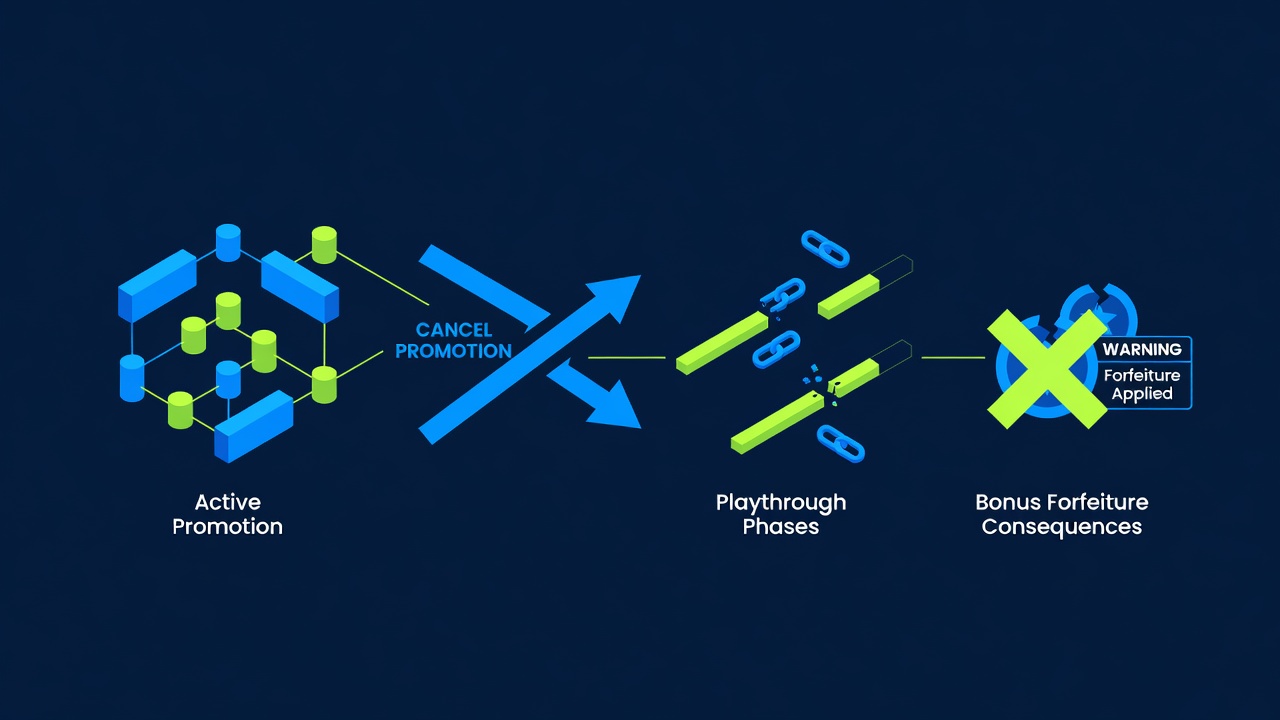
Bonus terms are where shady design really shows. The classic shady pattern: huge initial bonus matched by unrealistic rollover requirements. "500% welcome bonus, 50x rollover." You deposit 1 BTC (worth $45,000). You receive 5 BTC in bonus credit. You need to wager 300 BTC ($13.5 million) before the bonus locks in. You will go broke long before reaching that threshold.
Reward Schedule Design
Legitimate games use variable reward schedules (Skinner boxes). You play, you sometimes win, you sometimes lose, you play again. The schedule is transparent: slot odds are published; game math is auditable.
Shady sites use obfuscated schedules. Games claim to have a "fairness certificate," but the certificate is not independently verifiable. Games claim to use Provably Fair mechanics (blockchain-based verification of randomness), but the verification process is deliberately complex so that players do not actually verify.
Also look for: phantom near-misses. A real slot game has mathematical rules for reel positions. A shady game can alter the displayed result from the actual roll. Display two matching symbols and a "so close" miss, even though the actual roll was three different symbols. This is a behavioral hook: the near-miss feels like the player almost won, creating a compulsion to try again. Regulated games cannot do this; the displayed outcome must match the actual outcome.
Retention Patterns
Shady sites often employ rapid escalation of perceived wins. First session: you win immediately and often. This establishes the hook. Second session: wins are less frequent but still present. Third session onward: losses dominate, but small wins are timed to prevent account closure (minimum balance thresholds). The pattern is designed to extract the user's bankroll progressively while maintaining just enough engagement to prevent abandonment.
Legitimate sites avoid this. DraftKings, FanDuel, and Playtech-operated casinos have losses that feel like bad luck, not design. You lose because the odds favored the house, not because the game secretly adjusted the outcome.
Withdrawal Mechanics
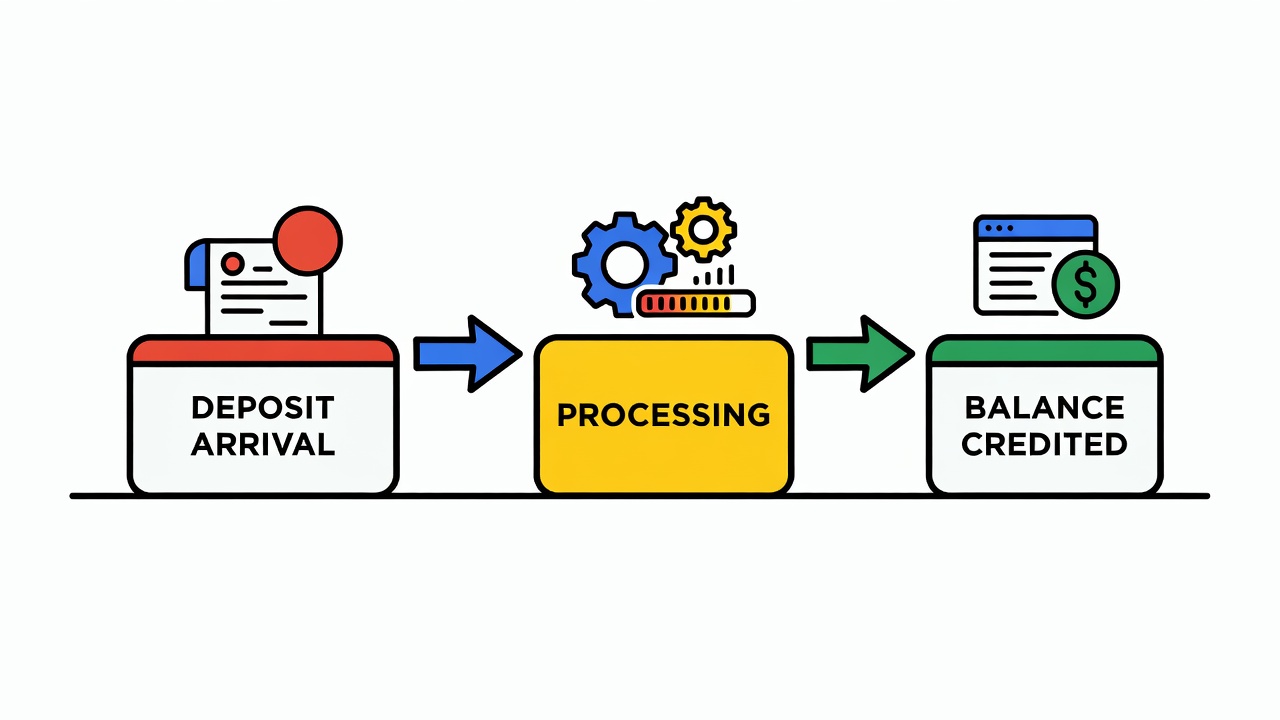
The final tell: withdrawal delays and friction. Legitimate casinos process crypto withdrawals in minutes to hours. Shady sites:
- Require additional verification before first withdrawal (goal: give you time to gamble the balance away)
- Impose withdrawal limits (500 USD per day, so a 50,000 USD win takes 100 days to access)
- Require "bonus conversion" before withdrawals are allowed (play through additional multiples before the site allows you to leave)
- Claim "system maintenance" and delay processing indefinitely
If a site requires you to prove you are not a bot, requests additional documentation, or imposes arbitrary limits on your own money, it is not a technical problem. It is a business model. They are trying to keep your money on the platform longer so you play more.
The clearest move: test the withdrawal system with a small amount before depositing seriously. Legitimate sites process $10 USD withdrawals in minutes. Shady sites claim "processing," add artificial delays, or simply refuse.