Blockchain gambling has a singular advantage: transparency. Every hand is recorded. Every bet is a transaction. You can audit the entire game from genesis block to the current hand. No casino can run a game and claim results are fair if the code is all-transparent on-chain.
This is real. And it matters. Most online poker is semi-transparent. You trust the operator's RNG. You hope they are not rigging the game. They might be. You cannot know.
On-chain poker, the code is the law. A smart contract on Ethereum executes every action. Card distribution happens through a provably fair shuffle. Pot distribution happens through code. No operator can intervene. No dealer can take a rake that is not in the code. This is theoretically excellent.
The Problems
Theory breaks down at execution. Smart contracts are written by humans. Humans make mistakes. Three major blockchain poker platforms have had exploits that let players steal from others. Not through unfair play. Through code vulnerabilities.
One platform had an RNG that was not actually random. A player with knowledge of the seed could predict all future cards. Another had a vulnerability in the pot distribution code that let a clever player drain liquidity from the contract. Another had a timestamping issue where a player could influence card distribution by controlling the block they played in.
All of these were "found" by players, not the developers. And because the code is immutable, they could not be patched. The platform had to fork. Players had to move their money. Trust was broken.
The Limits of Code
A smart contract can be fair according to its own code and still be a bad game. The economics might be broken. The rake might be too high. The odds might be more against the player than traditional poker.
Code ensures fairness in a narrow technical sense. It does not ensure good game design. It does not ensure the operator is honest about the rake. It ensures the rake is distributed exactly as stated. But the statement might be terrible.
Transaction Cost
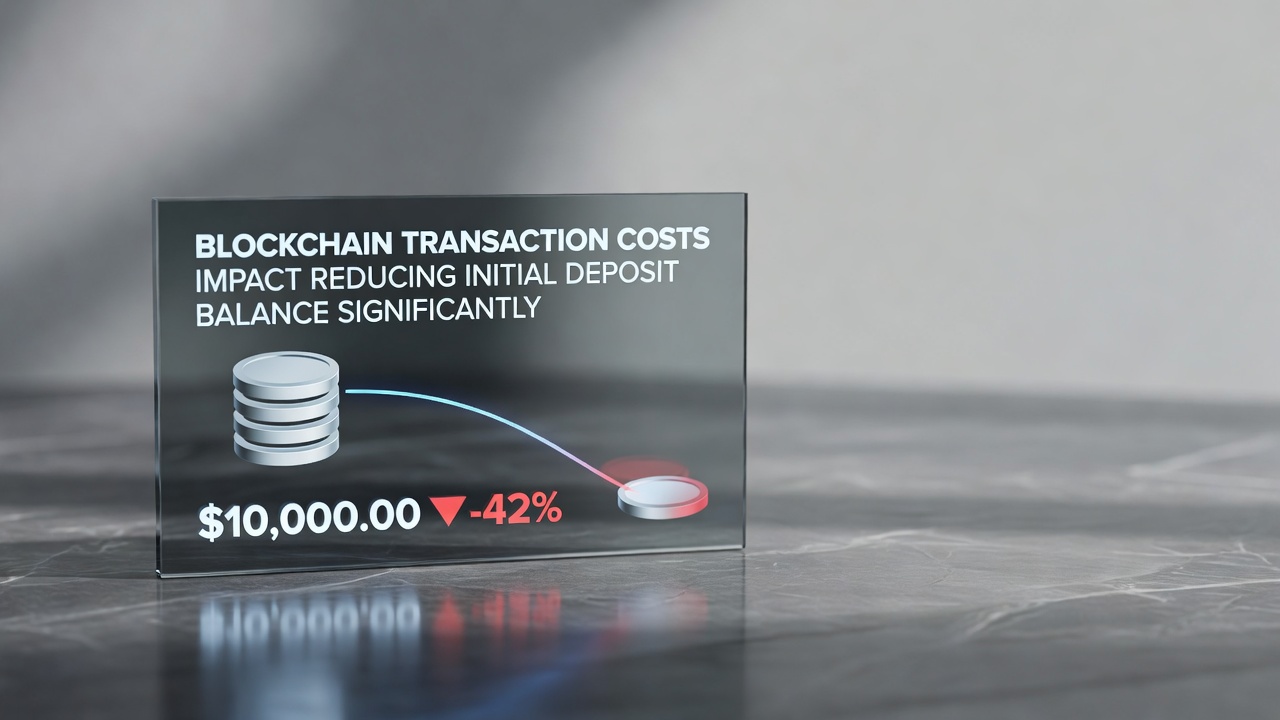
Every on-chain action costs gas. Ethereum gas has been between ten and a hundred dollars per transaction depending on network congestion. A poker hand involves multiple transactions: dealing, betting, checking, raising, showing. A single hand might cost fifty dollars in gas.
This economics breaks poker entirely. Poker margins are thin. A rake of five percent on a one hundred dollar pot is five dollars. If the hand costs fifty dollars in gas, the player is losing money simply to play.
Solution: layer-two rollups that bundle transactions. Arbitrum, Polygon, Optimism. These reduce costs to cents per transaction. But they reintroduce the trust problem. You are no longer playing directly on Ethereum. You are playing on a layer-two chain operated by someone. They could be lying about your balance. They could be running unfair games. You are back to trusting the operator.
When Smart Contracts Win
Smart contracts excel at one thing: shared liquidity tables. If you and I want to play poker, we both put money in a contract. The contract holds our funds. Either we can play trustlessly because the contract is the referee.
This works. It is elegant. But it only works for head-to-head games. Multi-player games on-chain become complicated. The more players, the more transactions, the higher the cost.
There is a future where on-chain gambling is meaningful. It is not here yet. The technology is there. The economics are not. Right now, on-chain poker is proving a point: we can build fair games on the blockchain. But proving the point is not the same as building a game anyone wants to play.