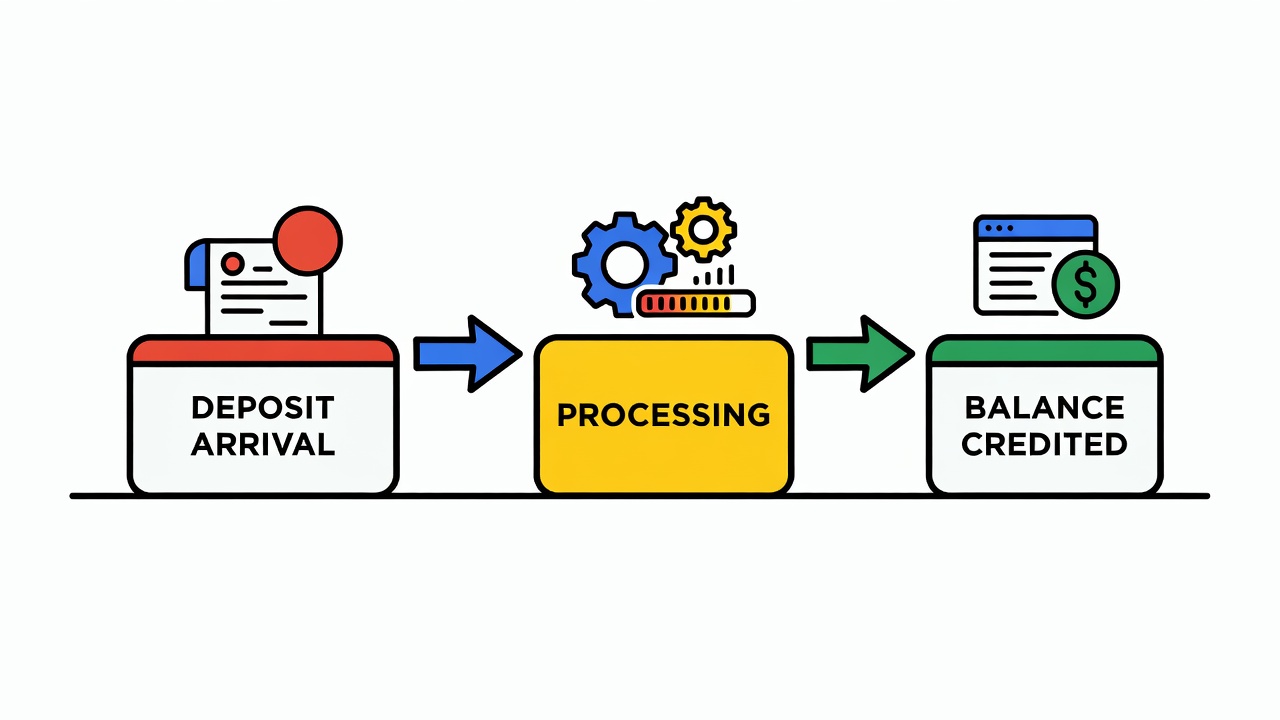
Affordability checks came to the United Kingdom in 2020. The Gambling Commission published new guidance that required operators to assess whether a player could afford the deposit they were about to make. Not whether they could afford to lose it, though that is part of the picture. Whether they had the financial capacity to make the deposit without causing themselves harm.
Most players did not notice this. They logged in, deposited, played. The check happened in the background. The operator ran a soft credit check. Looked at their payment method. Did a quick assessment and either allowed the deposit or restricted it.
How It Works Technically
When you attempt a deposit over a certain threshold (usually two thousand pounds in the UK), the operator must perform an affordability assessment. This involves checking your income, your expenses, and your existing gambling patterns with this operator.
Income is estimated from your payment method. A player paying from a business account is flagged differently than a player paying from a personal account. An operator cannot know your exact income, but they can make educated guesses. Account age matters. A brand new bank account is riskier than a five-year-old account.
Expenses come from your recent transaction history. Have you made large regular payments that look like rent or mortgage? Have you made payments to government agencies that suggest tax liability? The operator adds these up and compares them to your apparent income.
If your affordability assessment shows you cannot comfortably afford the deposit, the operator must either refuse it or place conditions on it. They might allow a smaller deposit. They might require you to prove your income before allowing the full amount. This is not a hard rule. There are exemptions. But the principle holds: operators must check whether the bet makes sense for your finances.
Why This Matters
Problem gambling is expensive. A player caught in chase behavior might spend two hundred pounds per week for six months. That is fifty thousand pounds per year. Most people cannot afford this. They borrow. They fall behind on bills. They use payday loans. The affordability check tries to catch these players before they reach the borrowing stage.
It is imperfect. A player with a genuinely high income might fail the check simply because their payment method looks unusual. A player with serious financial problems might pass because they made one large payment that year and it looks like they have cash reserves.
But studies show it works. Players who are flagged for affordability concerns and have their deposits restricted show reduced losses over time. They do not stop gambling. They gamble less. They keep more of their money.
What Players Experience
From the player's side, an affordability check might look like a simple message: "We are checking if this deposit is appropriate for you. Please wait." Or it might not appear at all. The check might happen invisibly, approved in seconds, and you never know it was there.
If you fail the check, you get a message. Usually polite. Usually offering alternatives. "We have reviewed your account and cannot approve this deposit at this time. Please try a smaller amount, or contact us for assistance."
The assistance usually means talking to the operator's safer gambling team. These are people trained to understand problem gambling. They might offer a deposit limit. They might offer self-exclusion information. They might just listen to why you are frustrated and help you understand the check.
The Bigger Picture
Affordability checks are part of a regulatory trend toward player protection. The MGA has similar rules. Curacao has weaker versions. The more regulated the market, the more intrusive the affordability assessment.
This does not stop gambling. A player who wants to gamble will find a way. They might use a different payment method. They might create a new account. They might move to an unregulated operator.
But the data suggests that gentle friction at the point of deposit works. Some players, faced with a moment to reconsider, do reconsider. Some players, prompted to think about their finances, recognize a problem they had been ignoring. The check is not a cure. It is a bump in the road at a critical moment, and for some people, that bump is enough.