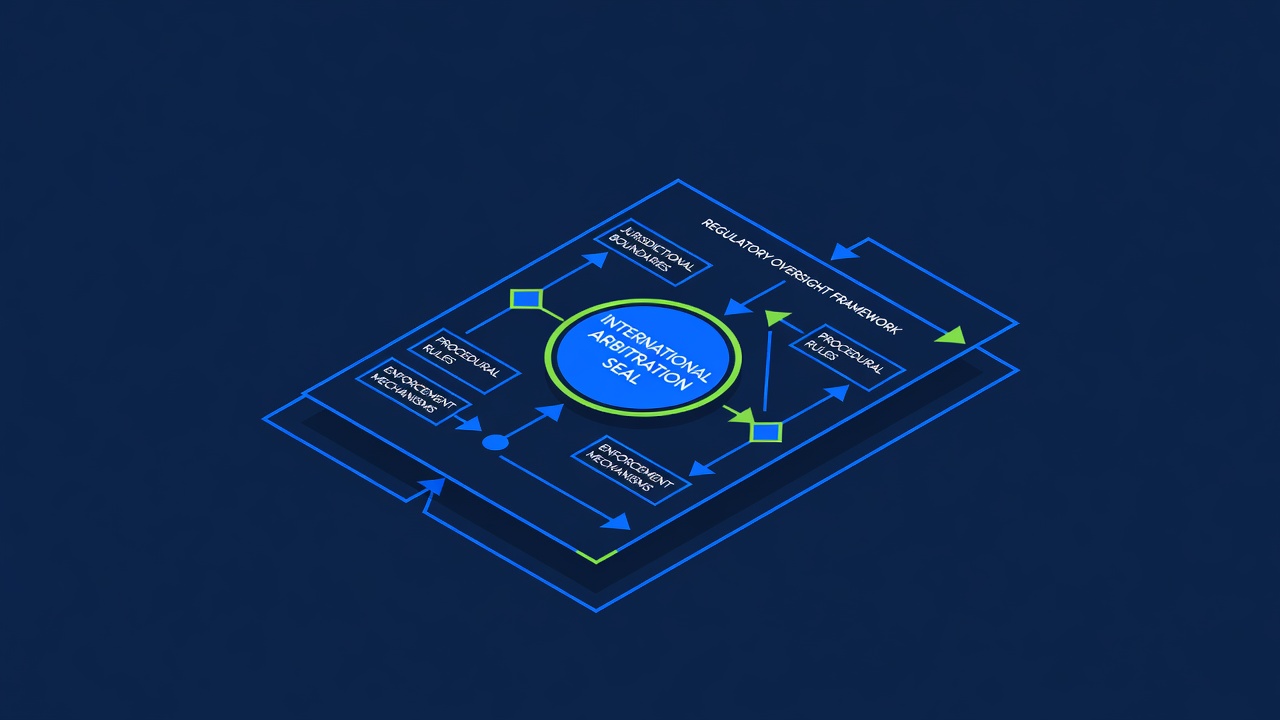
ADR means alternative dispute resolution. Basically, it's a referee for when a player and an operator have a row. No court. No lawyers sitting about for two years waiting for a trial date. A third party looks at the facts and says who's right. That's the long and short of it.
Here's the thesis: most online operators are useless at admitting they made a mistake, and most players don't have the money to hire a solicitor. The ADR body is the thing in the middle.
How It Actually Works
A player complains to the operator. "Your software ate my 500 pounds and never credited my account." The operator says no it didn't. The player escalates to the ADR body. The ADR body requests the operator's logs. The operator sends them. The ADR body reads the logs. The logs say either the money landed or it didn't. Nine times out of ten, the logs are clear.
If the operator bunked it, the ADR tells them to pay. If the player's just being difficult, the ADR tells the player they're out of luck. Both sides get a written decision. That's it. Binding. Done.
Why They're Mandatory
The UKGC says you can't operate without an ADR. Same with the MGA, the SWRB, most serious regulators. The logic is sound: if I let an operator operate without a referee, then every player with a beef has to sue in court, and that costs money the player doesn't have. The operator wins by default because the player can't afford to fight. The ADR breaks that pattern.
In the EU, ADR isn't just gambling. It's everything. EU Directive 2013/11 says if you sell to a consumer, you need an ADR body. The gambling operators fall under that blanket.
But here's the twist. Not all ADR bodies are the same. Some are run by the operator themselves. That's bollocks. A house-run dispute resolution ain't resolution. It's just the house saying "we're right" again. The decent regulators mandate independent ADRs, outfits like eCOGRA, GamCare, or Speedy Resolution.
The Catch
An ADR is only useful if the operator actually obeys it. If the ADR says "pay the player," and the operator says "no thanks," what happens then? Theoretically, the regulator steps in and penalizes the operator. In practice, it's slower. Sometimes the operator goes bust before the regulator acts.
I've seen operators ignore ADR decisions. They'll drag it out, claim they can't find the records, say the player's being difficult. Once the operator's been shut down, the ADR decision is useless. The player's money is gone. The ADR isn't insurance.
That's why you want an operator licensed in a jurisdiction with teeth. The MGA in Malta will actually audit operators and enforce ADR compliance. The UKGC does. Some of the wild-west licenses don't.
What the Player Has to Do
First, complain to the operator directly. Give them a reasonable time to sort it (usually 14 days). If they palm you off, escalate to the ADR the operator uses. Fill out a form. Describe your complaint. Send it.
The ADR body will reach out to the operator. The operator has to respond with documentation. If the operator doesn't respond, the ADR can rule in your favor by default. That's rare, but it happens.
The ADR investigates. They might ask you for more detail. They might ask the operator for logs. They might contact the payment processor to verify the deposit landed. Then they issue a decision.
You don't pay the ADR. The operator pays the ADR's fees. That's part of the deal. If you win, the operator pays to have lost. If you lose, the operator still paid, which is the point. It keeps the process fair.
The Limits
An ADR can't award you punitive damages. They can award the amount in dispute plus reasonable costs of the complaint. If you lost 500 pounds at a rogue game and the ADR rules in your favor, you get 500 pounds. You don't get 500 plus 50 grand for emotional harm.
In some jurisdictions, there's a cap. The UK allows ADRs to go up to 350,000 pounds per decision, but most disputes are under 10,000. Malta caps some ADR decisions at 10,000 euros. Denmark has different caps for different complaint types.
If your complaint is above the cap, you're back to court. That's the line. Below it, ADR is free and fast. Above it, you need a solicitor.
Why It Matters for the Player
An ADR body is the difference between having a voice and having none. Without it, every operator is a small-scale dictator. With it, the player has recourse that doesn't cost 5,000 pounds in legal fees.
But it's only as good as the regulator backing it. A strong ADR in a weak jurisdiction is still just paper. Pick your operator based on where they're licensed, and if you have a complaint, use the ADR. That's what it's there for.