track
Slippage and Swap Execution
Why a crypto swap fills at a different price than quoted: price impact, slippage tolerance, the minimum received floor and sandwich attacks explained.
1 pulse · latest Oct 26 · Mon

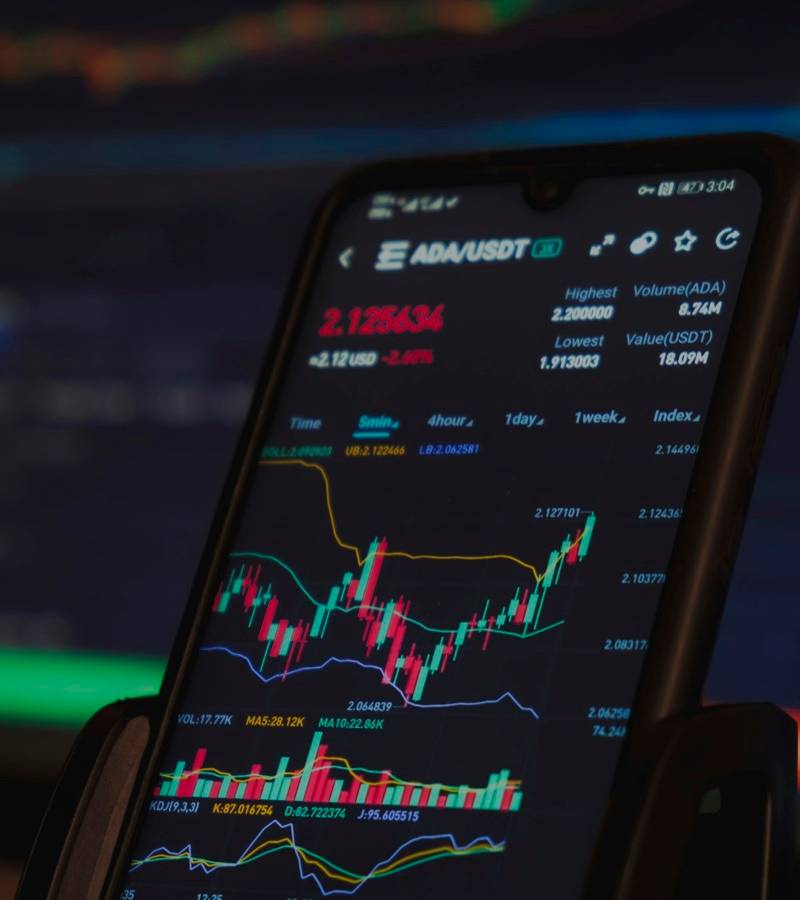
Photo: Mian Rizwan on Pexels
Slippage is the difference between the price a swap quotes and the price it actually fills at. On a decentralised exchange it has three sources: the price impact of your own trade on the pool, other trades that land before yours while your transaction waits to be included in a block, and bots that deliberately trade around you. The slippage tolerance you set decides how much of that you accept before the swap fails instead.
What is price impact and how is it different from slippage?
Price impact is the move your own trade causes in a pool's price, and it is known before you sign: in a constant product pool, a trade that is large relative to the pool's reserves pushes the price further. Slippage is the extra movement between the quote and the fill. Swap screens show both, and a large price impact is a sign the pool is too shallow for the trade size.
What does slippage tolerance do?
The tolerance sets a floor. The interface takes the quoted output, reduces it by your tolerance and writes that minimum received figure into the transaction. If the pool would pay out less than the floor when the transaction executes, it reverts and you keep your tokens, minus the network fee. Our read on what slippage is in crypto shows the calculation from the tolerance to the floor.
What is a sandwich attack?
A bot that sees your pending swap can buy just ahead of it, which pushes the price up, let your swap fill at the worse price, then sell straight after. Its profit is capped by your tolerance: a loose tolerance tells the bot exactly how far it can push the price before your trade reverts. This is a form of MEV, value extracted by ordering transactions. Private transaction routing and tighter tolerances reduce the exposure.
Is a very low tolerance always safer?
No. A tolerance set too tight makes swaps fail on ordinary price movement, and each failed attempt still costs gas. A tolerance near zero on a volatile token can mean several failed transactions in a row. The right setting depends on the pool's depth and the token's volatility.
How PolyCasino covers swap execution
We work from protocol docs and the transaction parameters themselves, with a numeric example in every pulse. Start with the slippage read. For the pool math behind price impact, see our liquidity pools lane.
Latest in Slippage and Swap Execution
every pulse on this track, newest first