
track
Prediction Market Odds and Arbitrage
How prediction market share prices turn into odds and implied probability, what fees and spreads do to them, and when a cross-venue arbitrage is real.
2 pulses · latest Oct 19 · Mon
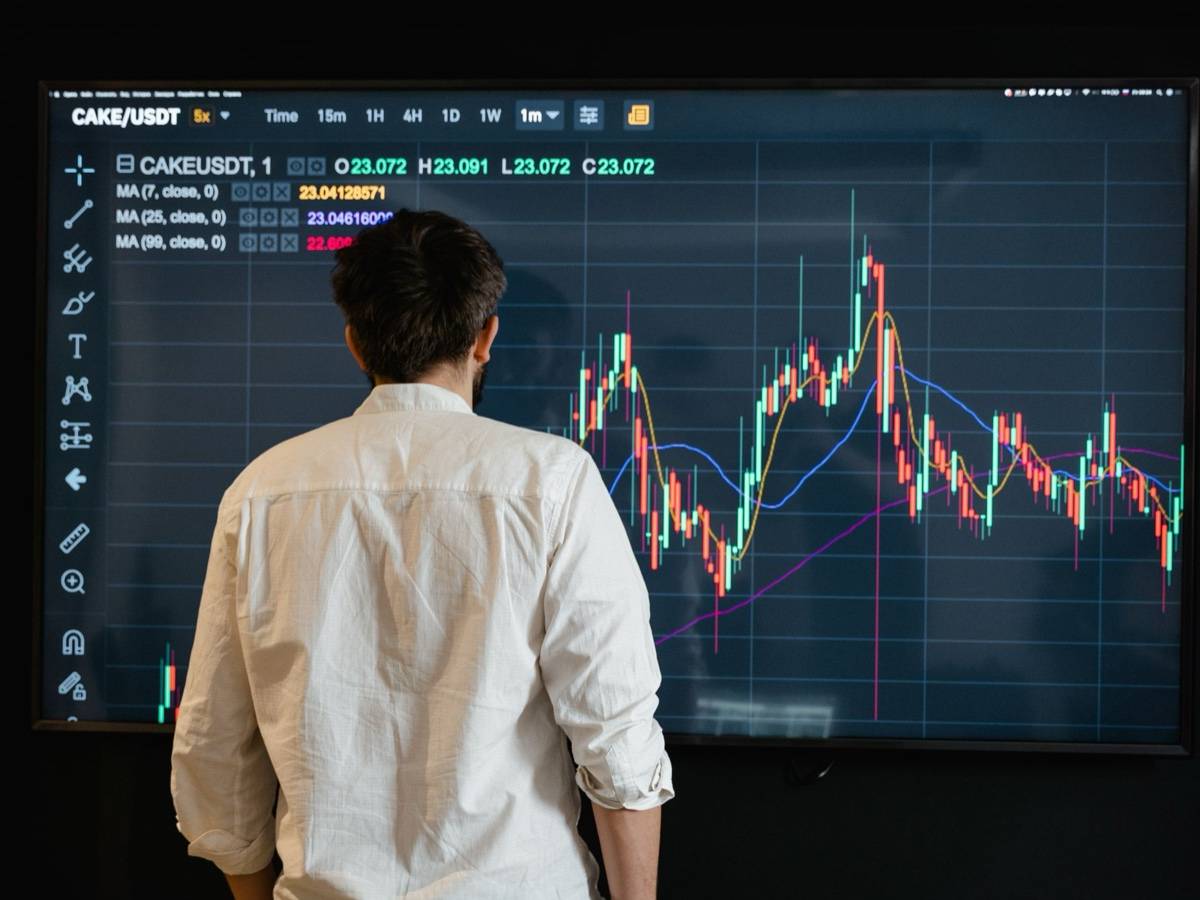
Photo: Tima Miroshnichenko on Pexels
A prediction market sells shares that pay a fixed amount, usually one dollar, if an event happens and nothing if it does not. The price of a share is the market's implied probability of that event: a YES share at 0.62 says the crowd puts the outcome at roughly 62 per cent. Everything else on this page follows from that one rule, and from the fees and spreads that bend it.
How do prediction market prices become odds?
Divide one by the share price and you have decimal odds: a share at 0.40 pays 2.50 for every unit staked. From there, American and fractional odds are a format change, not a new number. The catch is which price you use. The last traded price is not what you pay. You buy at the ask and sell at the bid, and the gap between them, plus any taker fee, moves the probability you are really paying for. Our prediction market odds converter walks through each formula with the fee adjustment included.
Why do YES and NO not add up to exactly one dollar?
In a frictionless market a YES share and a NO share on the same event would sum to exactly one dollar, because one of them is certain to pay. On a live order book the two asks usually sum to a little more than a dollar and the two bids to a little less. That overround is the cost of trading, the same idea as a sportsbook margin, and it is why a quoted price is an upper or lower bound on the probability rather than the probability itself.
When is a prediction market arbitrage real?
An arbitrage exists when you can buy every outcome of an event, across one venue or several, for less than the guaranteed payout after fees. On paper it shows up as a YES on one venue and a NO on another summing to under one dollar. In practice three things eat it: the fees on both legs, the depth of the book at the price you saw, and resolution risk. Two venues can word the same question differently, settle on different sources or at different times, and a contract that resolves differently on each side turns a hedge into two losing bets. Read the rules of both contracts before treating any gap as free money.
How do range and bracket markets work?
Index and economic markets often list a ladder of brackets, such as ranges for where the S&P 500 closes on a given day. Each bracket is its own binary contract, and the ladder of prices, normalised for the overround, reads as an implied probability distribution. Our read on S&P 500 prediction market odds shows how those brackets settle and how to read the ladder net of fees.
How PolyCasino covers prediction markets
Every pulse in this lane starts from the venue's own contract rules and fee schedule, then works a numeric example before any opinion. We do not tip outcomes. Start with the odds converter, then the bracket read.
Latest in Prediction Market Odds and Arbitrage
every pulse on this track, newest first
Prediction Market Odds and ArbitrageOct 19 · Mon · PolyCasino
S&P 500 Prediction Market Odds: Reading Brackets Net of Fees
How S&P 500 index brackets settle, what Kalshi and Polymarket fees do to their prices, and how to turn a ladder into an implied probability distribution.
Prediction Market Odds and ArbitrageOct 16 · Fri · PolyCasino
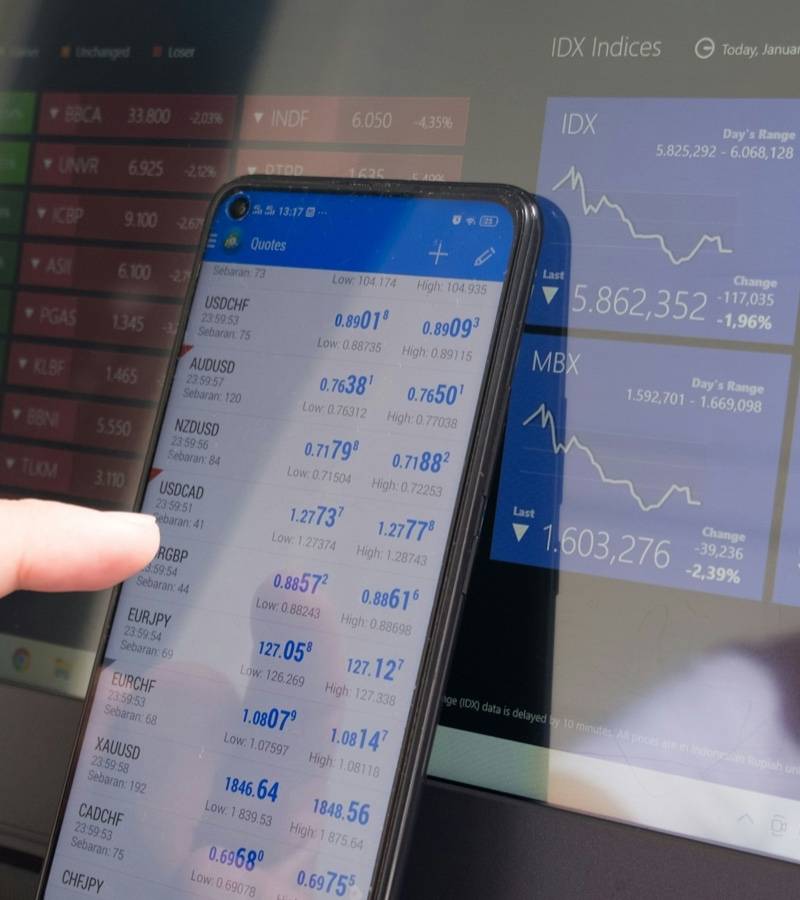
Prediction Market Odds: Converting Share Prices With Fees
Turn a Polymarket or Kalshi share price into decimal, American and fractional odds, then adjust for the ask you pay and the taker fee formula.