The first crypto sportsbook to accept customer deposits operated without a license, without regulation, and without a business plan beyond accepting bitcoin and paying winners in bitcoin. This was Betcoin, launched in 2013, and it lasted exactly as long as bitcoin seemed like a sideshow. Regulation and institutional adoption did not arrive simultaneously.
The Timeline
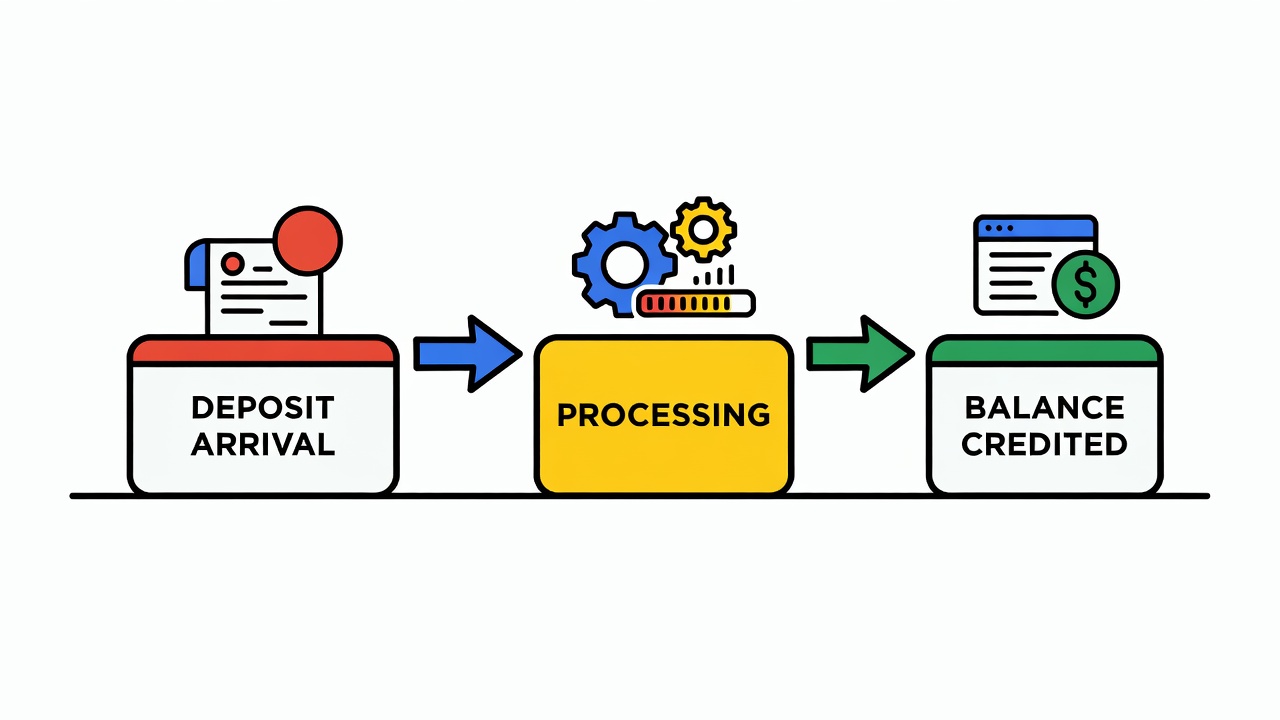
Stablecoins emerged circa 2014 to 2015, with Tether as the first mover. Tether, issued on the Bitcoin blockchain via the Omni protocol, promised to maintain a 1 to 1 peg with the US dollar. By 2015, Tether was trading and casinos began to notice. What Tether offered was revolutionary to the regulated sportsbook space: instant settlement, cross-border transfers, and a price that did not fluctuate with bitcoin volatility. A player could deposit USDT, place a bet, and withdraw in minutes, all at USD pricing. Betcoin struggled because bitcoin was worth three hundred dollars one month and twelve hundred dollars the next. A winning player had no idea what their winnings were worth.
Tether, by contrast, was always one dollar. By 2017, USDC was issued by Coinbase and Circle as a more regulated alternative. The legal space remained hostile. The Unlawful Internet Gambling Enforcement Act of 2006 prohibited payment processors from moving money for online gambling. Tether and USDC were not explicitly regulated by this act because they were not payment processors; they were stablecoin issuers. Operators, however, faced ambiguity. By 2020, multiple operators had begun accepting stablecoins. Stake.com, founded in 2017, initially accepted only bitcoin. By 2020, they added USDT and USDC. No license. No regulatory registration.
By 2024, some US-licensed sportsbooks had begun exploring stablecoin settlement as a faster alternative to traditional bank transfers.
But they wrapped the stablecoins in regulated gateways. The technological promise of instant settlement was neutered by regulatory requirement. As of 2026, the fastest legal sportsbook withdrawal in the United States was still 1 to 3 business days, despite the existence of technology that could settle in 10 minutes. The system evolves constantly, responding to player demand and regulatory pressure. Those who understand these dynamics are better positioned to make informed choices about their gambling. The complexity might seem overwhelming at first. But breaking it down into components reveals patterns. These patterns repeat across different contexts. Once you see the patterns, individual decisions become clearer. This is why the underlying economics matter more than the specific marketing claims. The system evolves constantly, responding to player demand and regulatory pressure. Those who understand these dynamics are better positioned to make informed choices about their gambling. The complexity might seem overwhelming at first. But breaking it down into components reveals patterns. These patterns repeat across different contexts. Once you see the patterns, individual decisions become clearer. This is why the underlying economics matter more than the specific marketing claims. The system evolves constantly, responding to player demand and regulatory pressure. Those who understand these dynamics are better positioned to make informed choices about their gambling. The complexity might seem overwhelming at first. But breaking it down into components reveals patterns. These patterns repeat across different contexts. Once you see the patterns, individual decisions become clearer. This is why the underlying economics matter more than the specific marketing claims.