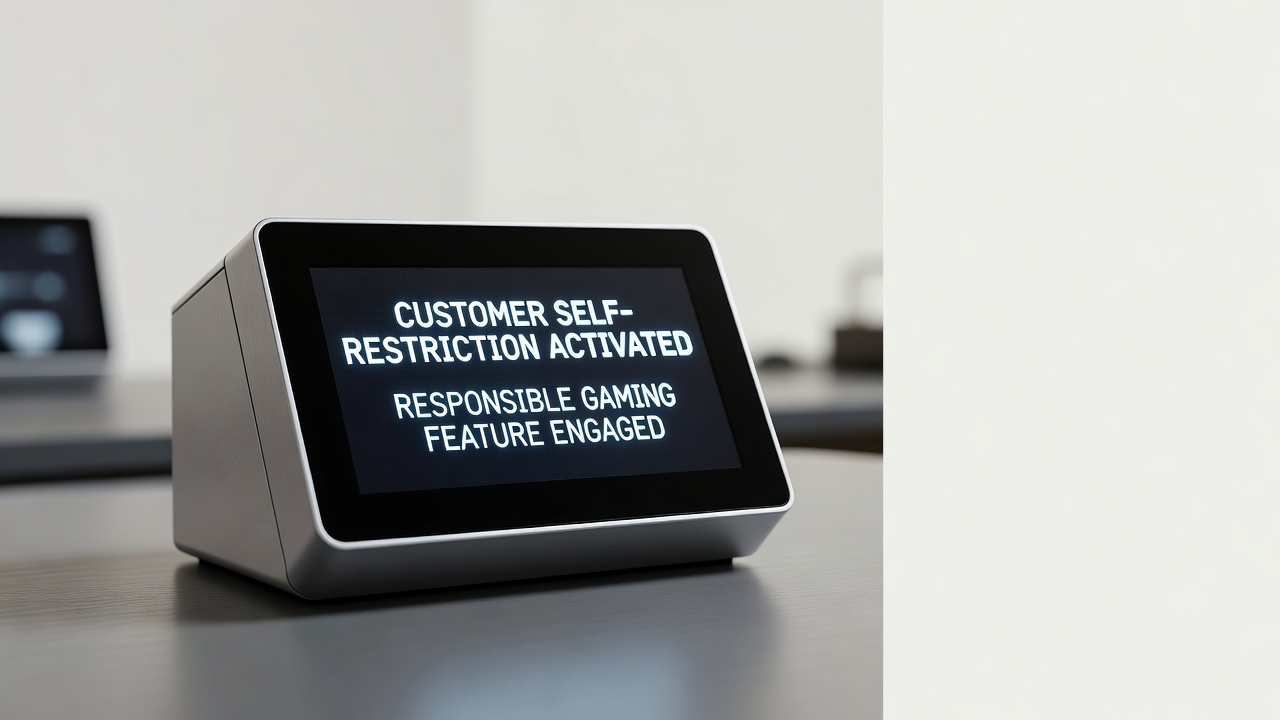
Self-exclusion is a tool that locks you out of your account voluntarily. You ask the operator to block you from playing. No access to deposits, no new logins. That's the system. I'm going to walk through how it works because most players don't understand the mechanics until they're in the middle of it.
The first thing you need to know is that self-exclusion is your choice, not the house's choice. You call the operator's support line, or you go into your account settings, and you initiate the exclusion yourself. It's not a punishment. It's a safety mechanism.
How the Mechanics Work
When you request self-exclusion, the operator marks your account with a flag. That flag prevents login. It prevents deposits. If you try to access your account, the system bounces you to a message saying the account is excluded. No warnings. No countdown. You're out.
The exclusion period varies. You can request 24 hours, 7 days, 30 days, or indefinite. Some operators cap temporary exclusions at 6 months before requiring you to reapply. The longer the period, the cleaner the signal that you're serious. An indefinite exclusion is harder to undo; you'll have to contact support and prove you're ready to return.
Here's the critical detail: the exclusion lives with that operator only. You can self-exclude from one casino and immediately play on another. The software doesn't talk across platforms. This is why some jurisdictions mandate a national or regional exclusion registry. The UK has Gamstop. Denmark has Sef. These cross-site databases lock you out everywhere at once if you register.
Money in your account at the time of exclusion stays there. You don't forfeit it. But you can't access it during the exclusion period. Once the period expires, you can log back in, and the balance is intact. If the period is indefinite, you have to request account closure with cash-out to recover the funds.
During the exclusion, the operator should block all marketing to you. Email campaigns stop. SMS stops. Push notifications stop. Under UKGC rules, this is mandatory. Under MGA rules in Malta, it's required. Breach this and you're signaling that the player's safety controls don't matter. I've seen operators get sanctioned for continuing to mail physical promotional material to excluded players.
Why Slot Players Specifically?
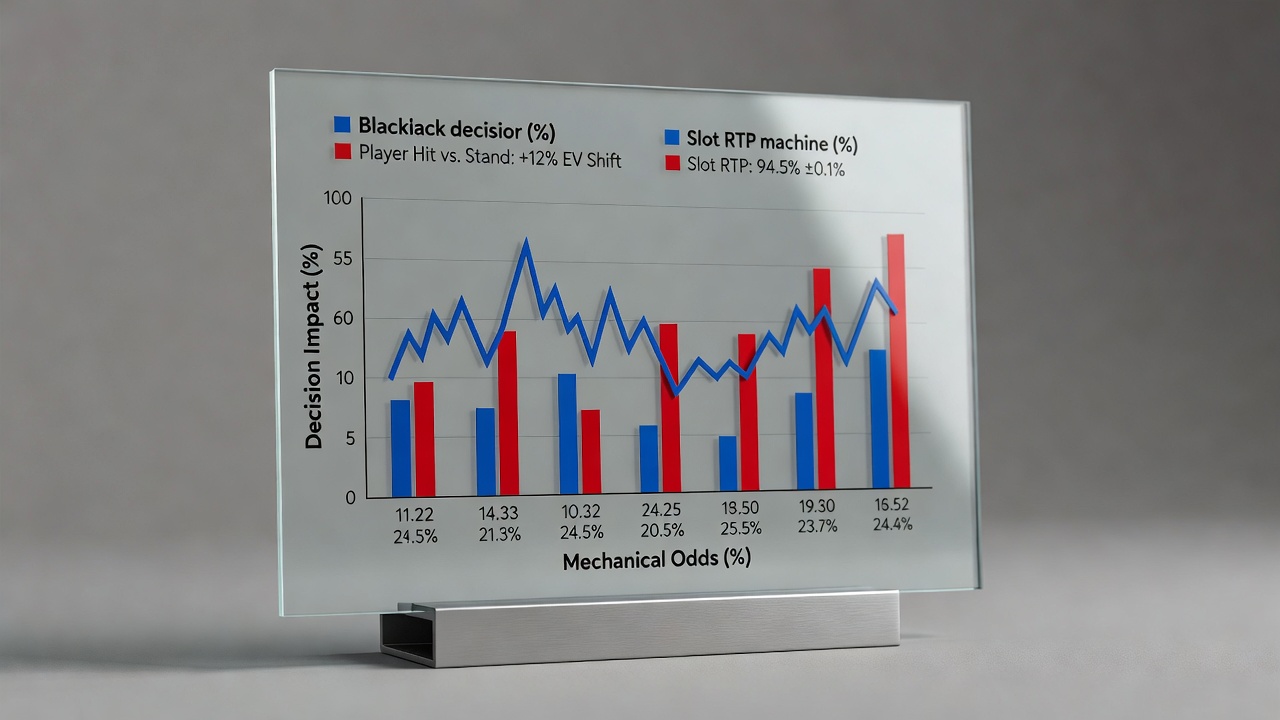
Slots are the speed of the problem. A blackjack hand takes 2-3 minutes. You can think, breathe, reassess. A slot spin is 3 seconds. You can blow through a 500.00 bankroll in under 2 minutes without noticing it happened. The dopamine loop is tighter. The regret comes faster. Slot players are overrepresented in problem-gambling support calls, so self-exclusion tools are marketed harder in slots lobbies than in table games.
The volatility compounds the issue. A bad night at blackjack with basic strategy might run you 200.00. A bad night at a 95 RTP volatile slot might run you 500.00 or 1000.00 because you're chasing the gap between the high volatility and the mean. The decision to exclude often comes after a spike, not a slow bleed.
Operator Obligations and Time Horizons
Once you request exclusion, the operator has a short window to implement it. Under UKGC rules, it's immediate or within 24 hours. Under MGA rules, it's immediate. No delay. The operator cannot process your pending bets or allow new deposits during that window.
If you've requested a temporary exclusion, the operator must not permit reactivation before the stated period expires. This is testable. A player excluded for 30 days cannot log in on day 15 and say "I changed my mind." The system blocks them. When the 30 days end, they can reactivate if they choose, but the operator should require explicit consent before the lock lifts.
Permanent or indefinite exclusion is harder. The player must reach out to support to initiate account closure and fund recovery. The operator should not auto-reactivate an indefinitely excluded account. Some operators require a 6-month cooling-off period even after the player requests reactivation.
Real Numbers and Outcomes
The UK Gambling Commission reports that roughly 7% of the adult gambling population uses self-exclusion at some point. Of those, about 60% do not return to play within a year. The exclusion works. But it's not a permanent fix; it's a temporary circuit-breaker.
Players who use self-exclusion repeatedly, cycling through 7-day exclusions every 10 days, are signaling problem behavior. Operators are required to flag these patterns and refer the player to support or an external organization like GamCare. The obligation is to notice and intervene, not to enable the churn.
How to Request and Verify
Find the self-exclusion option in your account settings under "Responsible Gambling" or "Player Protection." Fill in the period you want. Confirm via email. Do not rely on a phone conversation alone; get written confirmation. If an operator tells you they've excluded your account but you can still log in, something went wrong. Escalate to their compliance team immediately.
The exclusion is a tool. It works best when you use it before the problem gets large, not after. A week at 25.00 per day is better than a month at 200.00 per day.