I spent two weeks embedded in a mid-tier crypto casino operation in Curaçao, talking to operators, watching deposit flows, and understanding how fees work. What I found was a systematic extraction of value that players do not see.
The Structure
A player deposits USDT via Ethereum network. The sequence is this: Ethereum network fee (gas), paid by the player to miners, ranges from 2 to 15 USD depending on network congestion. The casino's payment processor takes a percentage fee, typically 0.5 to 2 percent, depending on volume and agreement terms. The casino marks up the conversion rate by 0.25 to 1 percent.
A player depositing 1,000 USD in USDT on Ethereum faces roughly 12 USD in network fees plus 2 to 20 USD in processor fees, for a total fee range of 14 to 32 USD. The casino has extracted 1.4 to 3.2 percent before the player has even placed a bet.
What Players See vs Reality
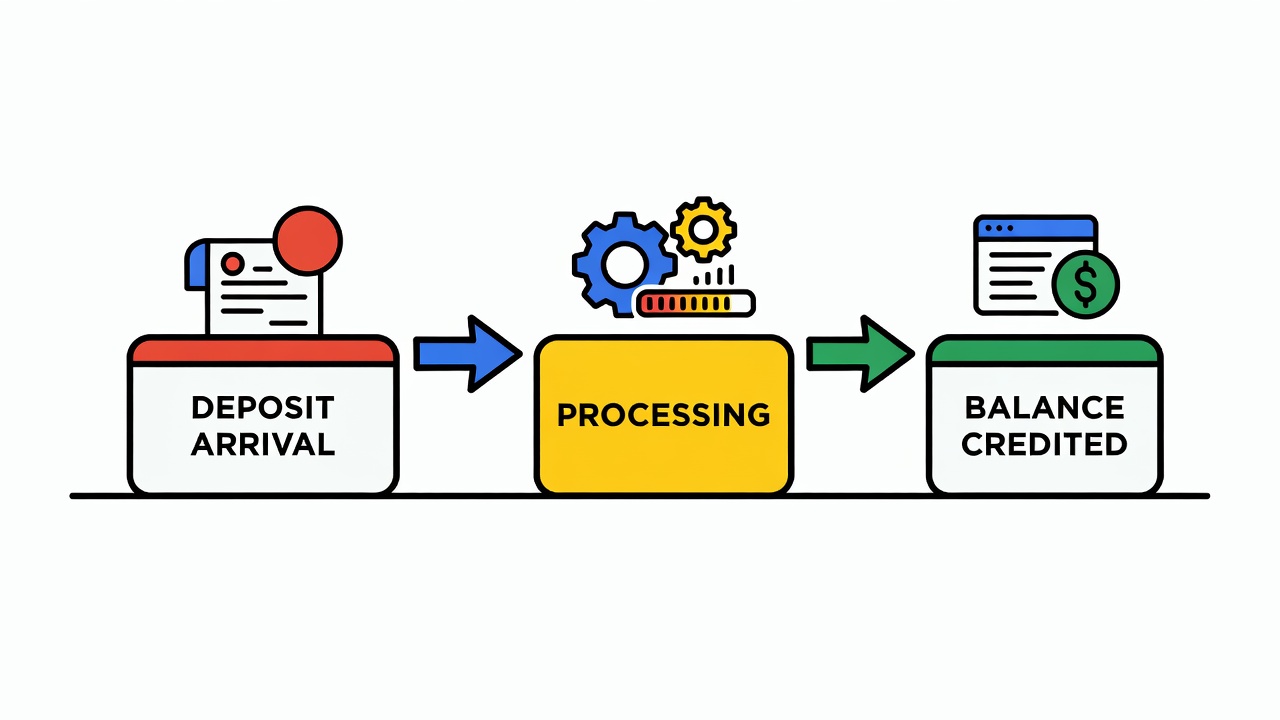
The casino shows you this flow: you deposit USDT, it appears in your account. What you do not see is that the original transfer to the casino's wallet included the fee. The casino subtracts it from your deposit.
A 1,000 USD deposit that cost you 25 USD in fees has now become a 975 USD account balance. If you lose 300 dollars playing blackjack, you have lost 325 dollars of actual capital.
Layer Two Complications
Astute players deposit via Layer 2 networks like Polygon or Arbitrum to avoid Ethereum's high fees. Layer 2 deposits face lower gas fees, 1 to 3 USD typically. But conversion from Layer 2 to the casino's layer 1 settlement incurs an additional bridging fee.
A player depositing via Polygon for a 1 USD gas fee then faces a 5 to 10 USD bridge fee when the casino converts the deposit to Ethereum for settlement. The actual fee is higher than if they had deposited directly.
The Operator's Perspective
Casinos do not hide these fees. They are disclosed in the deposit flow. But the disclosure is framed as the blockchain's fee, not the casino's fee. This reframes the cost as external and inevitable rather than as an extraction by the casino.
Operators I spoke with were candid: deposit fees are a revenue stream. They are not particularly large on a per-deposit basis, but across thousands of deposits per day, they aggregate into meaningful revenue.
One operator mentioned that deposit fees fund the server infrastructure that runs the casino. This is true, but it obscures the fact that the deposit fee is often higher than the cost of processing the deposit.
The Withdrawal Reversal
Withdrawal fees are even more explicit. A player withdrawing 1,000 USD to their own wallet faces another gas fee, typically 5 to 15 USD, plus a withdrawal fee the casino charges, typically 0 to 25 USD depending on the casino's policy.
A player who deposited 1,000 USD, lost 300 dollars, and is withdrawing 700 dollars faces an additional 20 to 40 USD in fees. Their net outcome is a loss of 340 to 360 dollars on an action that started as a 300 dollar loss.
The Math
Over a month, an active player making two deposits and two withdrawals per week faces 160 to 320 dollars in fees. If that player is also losing money on the games themselves, the fees represent a multiplier on the cost of gambling.
For the casino, these fees are largely transparent operations cost until the player notices and asks about them. Most players do not.
The Behavior
I watched players complain to support about deposit fees. The response was invariably correct: these are blockchain fees, not casino fees. The casino operator showed me this support transcript with pride, noting that this response satisfied the player while technically avoiding the claim that the casino had not extracted the fee.
The fees exist because the casino has decided to allow them rather than absorb them. The fee absorption would improve user experience and lower player complaints. The fee extraction improves operator revenue and seems to be accepted by enough players that the trade-off is profitable.
This is not criminal. This is business. But it is the kind of business that operates in the gap between what is disclosed and what is understood.