The Nevada Gaming Control Board estimates that approximately 3 percent of licensed casinos face some form of regulatory violation per year. Unlicensed casinos face no such accountability.
Slow Withdrawal Scams
A player wins 50,000 dollars at a smaller online casino. They request withdrawal. The casino requires additional identity verification. Documentation is submitted. More documentation is requested. Weeks pass. The casino claims technical issues. More weeks pass.
This tactic is called a withdrawal freeze. The casino is hoping the player loses interest or experiences pressure to re-bet the winnings. It is particularly common in jurisdictions without strong regulatory oversight.
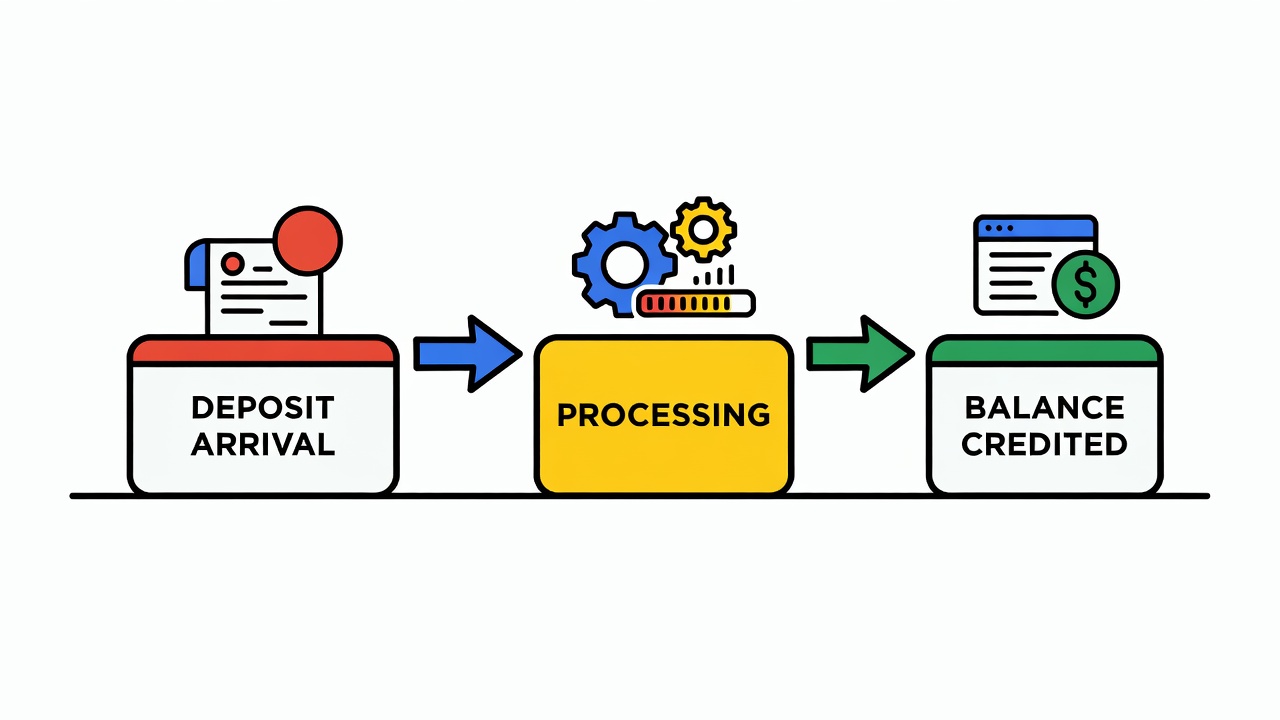
A licensed casino will process withdrawals within 5 to 7 business days. If your casino is not providing this timeline, they may be attempting a withdrawal freeze.
Rigged Game Scams
A player develops a consistent winning pattern at a blackjack or baccarat game. The casino detects this pattern and accuses the player of cheating. The player's account is frozen. The winnings are reversed.
This happened to a player named Brian Uston in the 1970s. He was counting cards at Las Vegas casinos. The casinos banned him. The technique was legal (card counting is not prohibited in most jurisdictions), but the casinos' right to ban players superseded his right to play.
Modern online casinos sometimes use this tactic against players who appear to have an edge. The accusation is collusion or advantage play. The evidence is often thin.
A legitimate casino will provide documented evidence of cheating before reversing winnings. If a casino reverses your winnings without providing clear evidence, you should contact the relevant regulator.
Bonus Term Manipulation
A casino advertises a 100 percent match bonus on your first deposit. You deposit 1,000 dollars and receive a 1,000 dollar bonus. The terms specify a 40x playthrough requirement.
You play through the requirement and attempt to withdraw 500 dollars. The casino claims that your bonus was forfeited because you played a restricted game. The terms in small print mentioned that certain games do not contribute to the playthrough requirement.
This is a manipulation of the terms, not outright cheating, but it results in the player losing money they thought they had won.
Account Closure After Large Wins
A player wins 100,000 dollars at an online casino over a month of consistent play. They request withdrawal. The casino closes their account and offers a settlement of 10,000 dollars. The settlement is presented as final.
This is extraction of value through threat of legal action. The player would need to hire lawyers in a foreign jurisdiction to recover the money, which is often not economically rational.
Proof of the Scam
Documentation of casino scams requires evidence. The best evidence is in the casino's own records: withdrawal history, game outcomes, communication logs. If you suspect a scam, preserve all evidence immediately.
Contact the casino's regulator. If the casino is licensed by the Malta Gaming Authority, file a complaint with them. If licensed in Curacao, file with the appropriate body. Licensed casinos face real consequences for violations.
Unlicensed casinos face zero consequences. Avoid them entirely.
The Detection Pattern
The pattern of a scam is delay, obfuscation, and lack of documentation. A legitimate casino provides clear terms, processes withdrawals on schedule, and maintains documentation of all transactions.
If you are seeing delay, obfuscation, or missing documentation, you are at a scam casino. The question is whether you are early enough to recover your balance or whether you have already lost the money.