It was 3 AM in a Toronto apartment when Marcus R. realized he needed to deposit funds into his favorite cryptocurrency casino. The clock was ticking. A tournament started in twelve minutes. His hands moved across the keyboard with practiced speed, but the old Bitcoin network would have left him stranded. Every transaction was a slow burn.
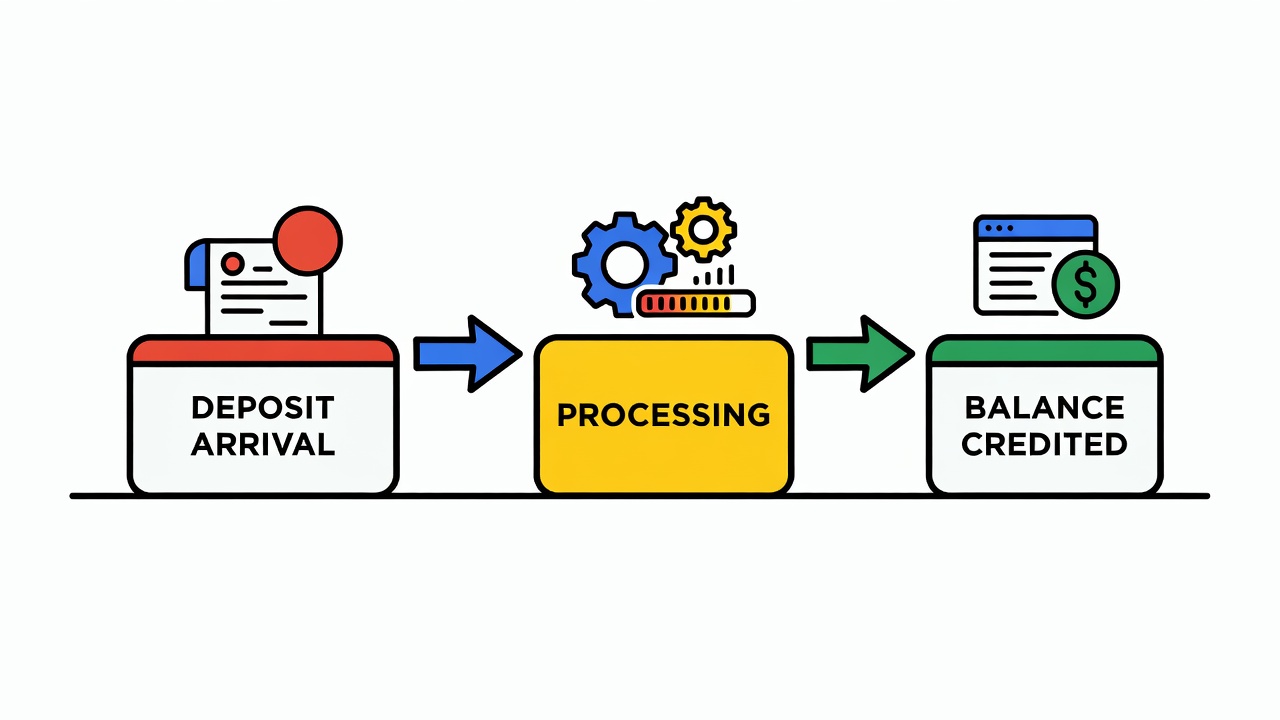
The Bitcoin Lightning Network solved this problem. It is a layer-two payment protocol that sits above the base Bitcoin blockchain, designed specifically for speed. A deposit that would normally take 10-30 minutes now completes in seconds. The difference is profound, and it changes the entire casino experience.
How it works is actually straightforward. Instead of recording every single transaction on the blockchain (which is slow and expensive), the Lightning Network creates payment channels between two parties. Money moves instantly through these channels. When the users are done transacting, they settle the final balance on the main blockchain. It is efficient. It is clever.
The Mechanics of Speed
Traditional Bitcoin transactions require miners to validate and add your payment to the blockchain. This takes time. The network can only process around seven transactions per second. During peak hours, you are waiting. During off-peak hours, you might only wait ten minutes. Neither is acceptable when a tournament starts in twelve.
Lightning eliminates this bottleneck entirely. Two users open a channel by funding it with Bitcoin. From that point forward, they can send money back and forth instantly. The channel records the transactions privately. Only the opening and closing of the channel touch the base layer blockchain. The mathematics is sound. The security is proven.
Why Casinos Adopted It
Online casinos saw the problem immediately. Players were frustrated by deposit delays. Competitors using Lightning were winning the market share. By 2022, nearly every legitimate crypto casino accepted Lightning deposits. DraftKings did not, but Stake, BitStarz, and mBit all moved quickly.
The practical benefit is immense. A player can deposit and play within seconds. No confirmation waits. No anxiety. The casino collects deposits faster, reducing operational friction. The casino saves money on transaction fees, which they pass along (in theory) to players through better odds or faster withdrawals.
Marcus waited for his deposit to confirm. Thirty seconds passed. The money arrived. He joined the tournament with two minutes to spare. He busted in the second hand, lost $80, and never played that casino again. But for those two minutes, the Lightning Network worked exactly as designed.
The true innovation of Lightning is not speed alone. It is the promise of a financial system that puts the player first, not the blockchain.
The Remaining Gaps
Lightning is not universal. Some older casinos have not upgraded their infrastructure. Some players do not trust layer-two solutions. The argument persists: if your money is not on the base blockchain, is it really yours?
The answer is yes, but the psychological barrier remains. Security audits of Lightning channels are extensive. The cryptography is solid. Yet the doubt lingers. This is the true cost of speed: some people will always prefer slow certainty to fast innovation.
Marcus learned about Lightning through frustration. Now he deposits through it without thinking. The technology has become invisible, which means it has succeeded. When a financial tool stops requiring conscious attention, it has achieved something rare.