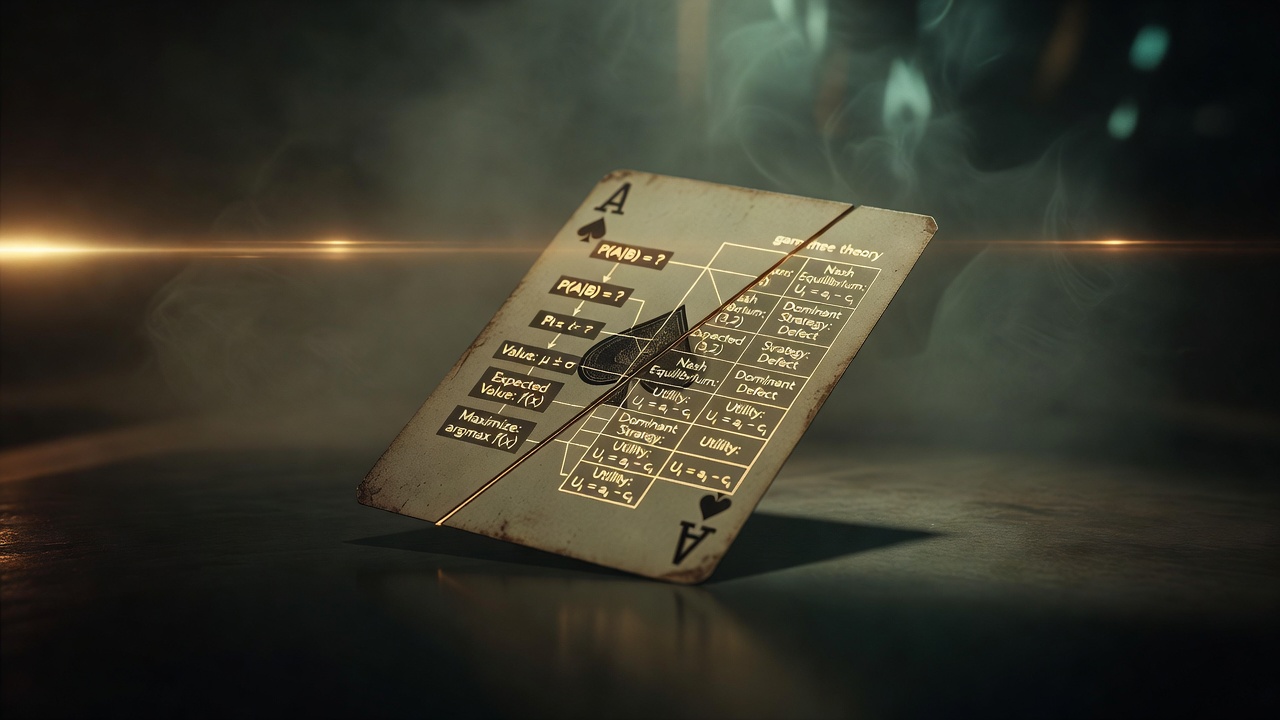
A VIP live dealer table allows bets of $5,000 to $100,000 per hand. A regular table allows $5 to $500. The difference is not just the numbers; it is the entire design philosophy.
Regular tables are designed for volume: many players, average session of two hours, modest per-session losses. VIP tables are designed for extraction: fewer players, longer sessions, larger per-session losses.
The Game Mechanics
Both regular and VIP tables play blackjack with identical rules. The house edge is identical (0.5% to 1% depending on rules). But the extraction rate (total money lost per hour) differs dramatically.
At a regular table: 50 hands per hour at $25 average bet = $1,250 per hour action. At 0.6% edge, the house expects $7.50 per hour profit.
At a VIP table: 25 hands per hour at $15,000 average bet = $375,000 per hour action. At 0.6% edge, the house expects $2,250 per hour profit.
The same edge, applied to different bet sizes, produces vastly different casino profit.
Design Elements
VIP tables have dedicated dealers (not rotating among multiple tables). This signals respect to the high-roller. It also reduces the dealer's attention to other tables, which might encourage faster play (more hands, more action).
VIP tables have private seating arrangements. Regular tables are sometimes in the middle of the floor; VIP tables are often in separate rooms. This reduces the visibility of losses (other customers do not watch a whale lose $200,000) and reduces social pressure (the high-roller is not self-conscious about large bets).
VIP tables sometimes use custom chips (gold-plated, personalized). This is pure psychology: the chips feel valuable, which makes the bettor more willing to push them across the table.
The Closing
VIP tables are not better games. They are more efficient extraction mechanisms. A casino designer's goal is to move money from the player's bankroll to the casino's vault. At regular stakes, friction (decision time, game speed, social awareness) limits extraction. At VIP stakes, the bettor's capital is large enough that friction is irrelevant; what matters is the mathematical edge applied to larger sums.
Key Takeaway
I spent enough years around machines to know when something is simple and when it is complicated. This is simple. The complication is in the marketing, not in the mechanism.
Understanding the System
I learned early that machines do not have personality. A Bally 7000 does not decide to pay or hold. It executes code. Understanding that distinction between human narrative and mechanical reality will change how you approach slot play. You are not fighting a machine's mood or luck. You are accepting a mathematical contract in which the machine pays out 96-98% of what you put in. Everything else is story. The strategy for VIP play is the same as for regular play: accept the house edge and play within a bankroll you can afford. Do not let the VIP treatment (dedicated dealer, private room, comps) trick you into playing with more money than you would at a regular table.