
Provably Fair Baccarat: How It Differs From Standard RNG
The marketing copy for provably fair baccarat always says the same thing: 'transparent,' 'verifiable,' 'you can check the fairness yourself.' What does that actually mean?
Amir Hassan · 4 min read
The marketing copy for provably fair baccarat always says the same thing: 'transparent,' 'verifiable,' 'you can check the fairness yourself.' What does that actually mean? Let's strip away the language and look at what's happening under the hood.
Standard online baccarat from sites running Pragmatic Play or Evolution Gaming operates on a centralized random number generator. The casino controls the server. The casino runs the RNG. You place a bet, the RNG spins, and a card lands. You win or lose. The fairness of that system rests on your trust in the operator and regulatory oversight. The casino claims they audit the RNG regularly. That's probably true. Is it enough? That depends on how much you trust external audits.
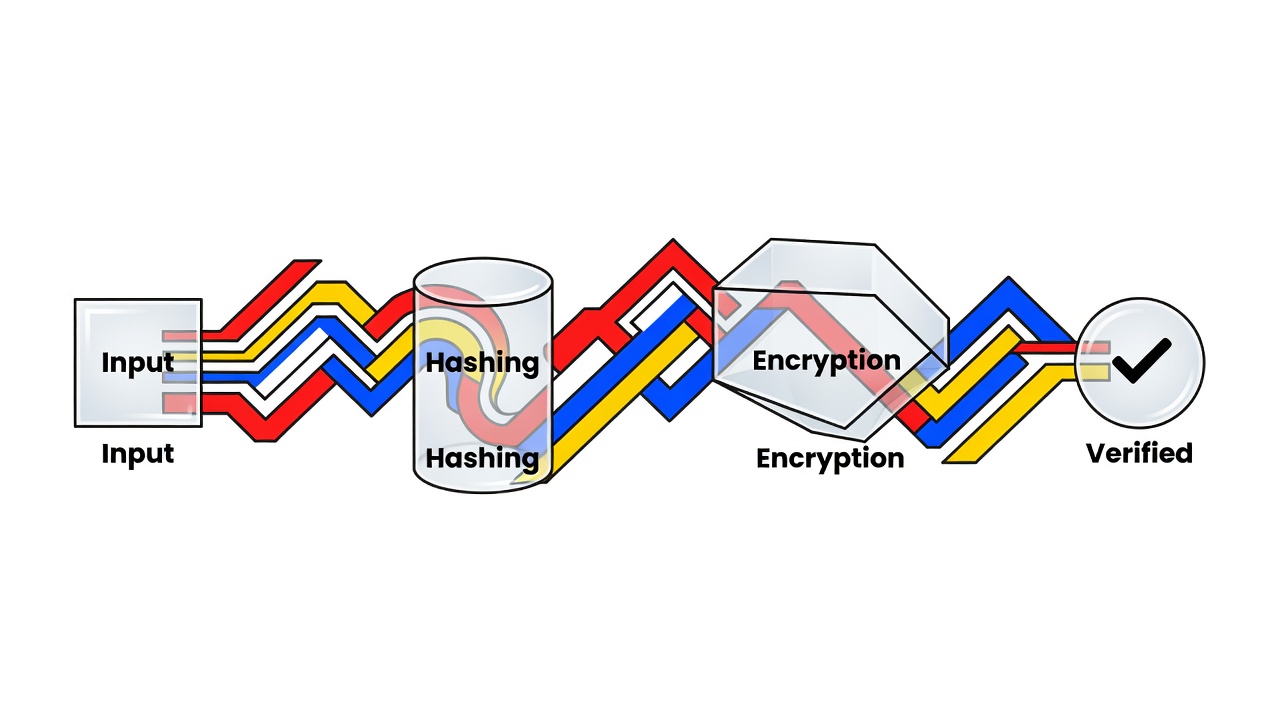
Provably fair baccarat uses cryptographic hashing to create a mathematical proof that the outcome was predetermined and unchanged. The game server generates a secret number (called the "server seed"), hashes it so you can't see the original, and displays the hash. After the game resolves, you receive the original seed. You can run it through the same hashing algorithm and verify that the hash matches. If it does, you know the outcome was set before you ever placed the bet.
Here's What This Actually Proves
Provably fair systems guarantee three things:
- The outcome was determined before you placed your bet
- The outcome was not changed after you placed the bet but before the result
- The operator is using the claimed algorithm correctly
What it does NOT guarantee:
- That the odds are actually fair (a provably fair game can have worse odds than a standard RNG)
- That the seed generation itself is random (a bad random number generator can still produce provably fair results)
- That you're playing against the house or against other players (the operator could be running a rigged setup on both sides)
The distinction matters because marketing language suggests that provably fair means 'better odds for you.' It doesn't. It means 'mathematically auditable.' Those are different things entirely.
Where Crypto Sites Use This
Most crypto gambling sites now advertise provably fair mechanics. Stake, Rollbit, and other blockchain-adjacent operators use it as a selling point. They're correct that it adds transparency compared to traditional unlicensed operators. But they're also marketing it as if transparency equals fairness, which is sloppy thinking.
A provably fair baccarat game at a Bitcoin casino can have a house edge of five percent. A standard Evolution Gaming baccarat has the same house edge. The math is identical. The crypto version just lets you verify that the game wasn't rigged against you in real time. That's useful verification, but it's not a better deal.
Provably fair is to fairness what 'natural flavoring' is to natural: the word does work, but it's doing much less than the marketing suggests.
The Regulatory Context
Licensed operators like Bet365 or DraftKings don't use provably fair systems because they don't need to. They operate under regulatory supervision. Their RNGs are audited by third parties like iTech Labs or Gaming Labs International. The oversight is external. They can't just fiddle with the algorithm.
Unlicensed operators can't rely on that kind of oversight, so some of them use provably fair as a substitute. It's not the same thing. External audit by a regulated testing lab is stronger assurance than cryptographic proof, because the auditor has legal liability and ongoing oversight authority.
That said, if you're going to use an unregulated site anyway, provably fair is better than the alternative. A game where you can't verify fairness at all is worse than one where you can.
The Marketing Translation
When a crypto site says 'provably fair,' what they mean is: 'We use cryptographic hashing to let you verify that we didn't change the outcome after the game started.' That's honest. It's also much less exciting than the way it's usually marketed.
When they say 'transparent,' they mean: 'You can check our math if you have the skills to run a hash algorithm.' Most people don't. So 'transparent' is doing a lot of work in that sentence.
Provably fair baccarat is genuinely a useful technology if you're evaluating unregulated operators. It rules out one specific type of fraud: post-spin manipulation. But it doesn't rule out bad odds, seed manipulation, or operator theft. For the full package of protection, you need licensing, regulation, and external audit. Those remain your best guarantees.
If a crypto site is using provably fair as a reason to trust them instead of basic regulatory credentials, that's a translation problem. The technology is real. The implications of that technology are much narrower than the marketing suggests.
More from Amir
0 pulses by Amir Hassan
Up next
pulses that share a track with this one