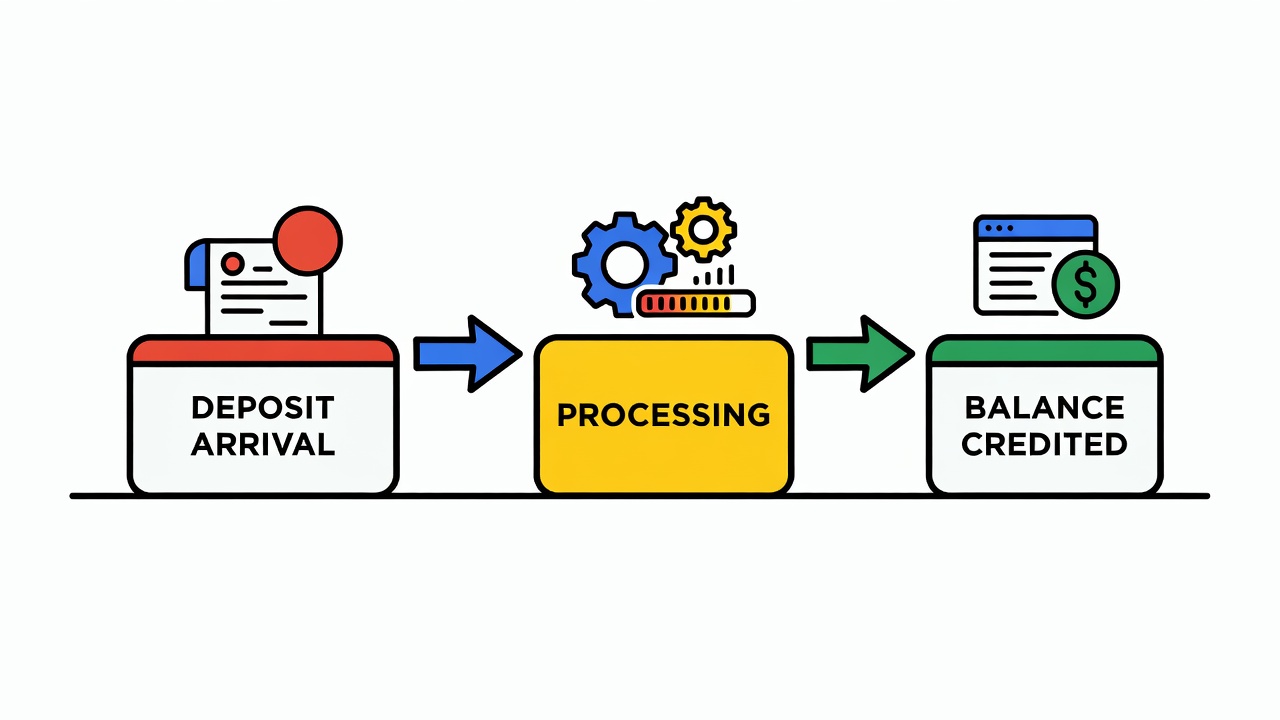
Poker staking is capital provision. A backer gives a player money; the player uses it to play poker and generates profit or loss; the backer and player split the results per agreement.
Simple version: "I will stake you $5,000. You play with it. We split profits 50-50 and losses 50-50."
This means: if you make $500, you split it ($250 each). If you lose $500, you each lose $250.
The Language Problem
"50-50 split" is ambiguous. It could mean:
(1) Split all results 50-50 (above scenario).
(2) Backer keeps capital; player gets 50% of profits only (backer gets capital + 50% of profits).
(3) Backer provides capital; player is responsible for any loss beyond a threshold; above the threshold, split is 50-50.
The weasel-word version: "I will stake you 50-50." This could mean any of the above depending on who is speaking and what they are hiding.
Common Deal Structures
100% backer, profit split: Backer gives $5,000, player plays, any profit is split (say, 60-40 in backer's favor because the backer is bearing capital risk). Any loss comes entirely from the backer's capital.
This is favorable to the player (they cannot lose money) but unfavorable to the backer (they bear all downside).
Player is responsible for buyins, backer funds losses: Backer gives $5,000. Player uses it for initial buyins. If player loses the stake, backer funds more (up to a limit). Profits are split; losses are shared.
This is favorable to both parties but requires trust and clear limits.
The Poker Language Translation
When a backer says, "I want 60% of profits," they mean they get 60% of all positive results. Losses are structured separately (either backer bears them, or player does, depending on the deal).
When a player says, "I just need 50-50," they usually mean they want the backer to cover losses up to a point, then split profits equally.
These are different deals. A clear deal specifies: (a) the capital amount, (b) who bears losses, (c) how profits are split, (d) the duration of the deal, (e) how often results are calculated (daily, weekly, monthly).
The Trust Problem
Most staking deals between non-professionals fail because there is no auditing. The player reports their results; the backer trusts them. If the player is dishonest or poor at tracking, the backer has limited recourse.
Professional staking uses poker tracking software (PokerTracker) that the backer can access directly. This removes the trust problem.
Key Takeaway
The key is understanding the system. Most people do not take the time. The ones who do are the ones who profit from the ones who do not.
Understanding the System
The lesson underneath all of this is the same: understand the system before you enter it. The system is designed. The odds are known. Your job is to know them too, and then decide whether the trade is worth making. Most people skip the first step and proceed directly to wondering why they lost money. The clearest staking deals have written agreements. Not just verbal handshakes. Paper trail, signatures, clear provisions for disputes. If a backer will not put it in writing, that is a red flag that the deal is informal enough that one party is likely to regret it.